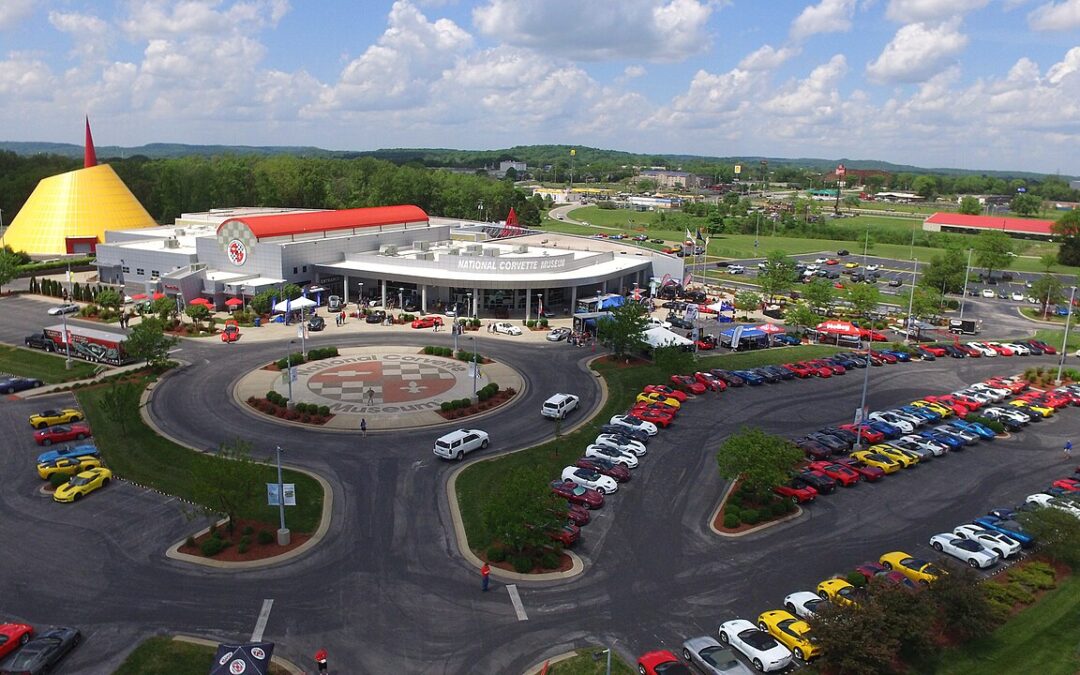
Few buildings in Kentucky carry as much name recognition as the Bowling Green Assembly Plant. Since 1981, this single facility has built the Chevrolet Corvette, one of America’s best-known sports cars. For Bowling Green residents, the plant is a major employer and a source of local identity. It also shows how large structures, local geology, and regional weather interact in south-central Kentucky.
How the Corvette Came to Bowling Green
An assembly plant is a factory where finished parts are put together into a complete vehicle. General Motors moved Corvette production to Bowling Green in 1981, after earlier production in St. Louis, Missouri. Since then, every generation from the C4 through the current C8 has come from this Warren County site.
The move changed the local economy. Suppliers, restaurants, hotels, and housing developers all grew around the plant. That growth also increased demand for new construction and long-term building maintenance across the region.
Production milestones show how deeply the car is tied to the city. The one-millionth Corvette was built in Bowling Green in 1992. In 2020, the plant began building the mid-engine C8 Corvette, the biggest design change in the model’s history.
The National Corvette Museum and the 2014 Sinkhole
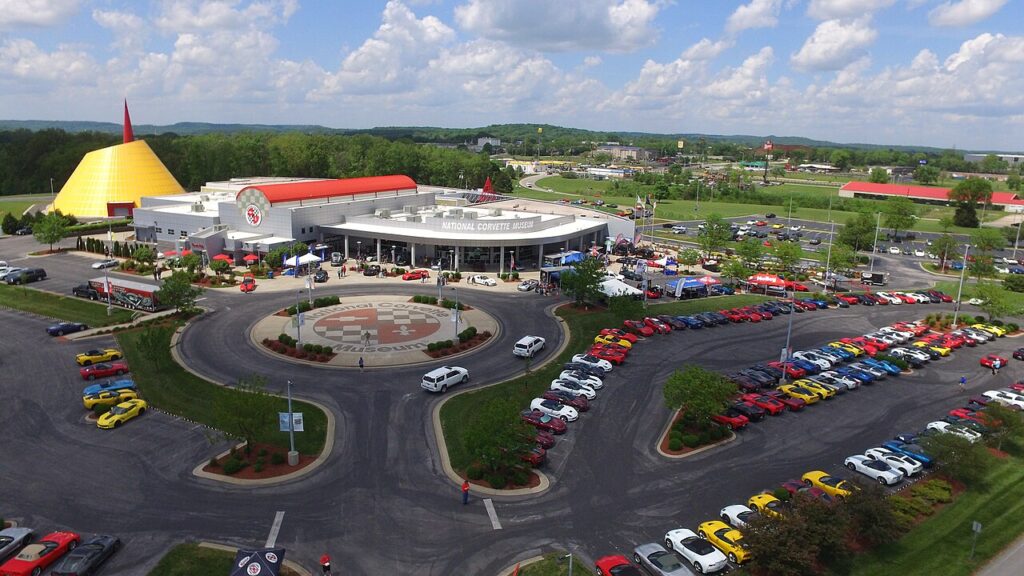
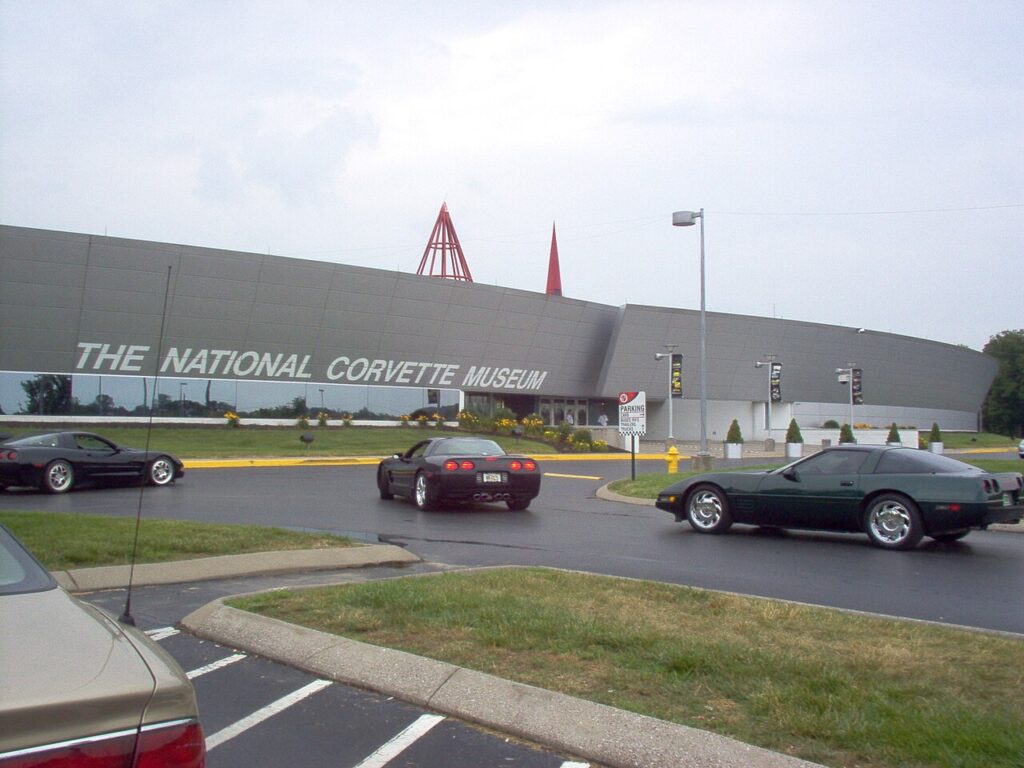
The plant’s story continues across the road. The National Corvette Museum opened in Bowling Green in 1994 and draws visitors from around the world. It also hosts a delivery program that lets buyers collect their cars locally.
On February 12, 2014, a sinkhole opened beneath the museum’s Skydome and swallowed eight Corvettes. A sinkhole is a depression that forms when the ground collapses into an underground void. The event drew international attention and led to extensive study of the site.
This was not a freak occurrence. Bowling Green sits on karst terrain, a landscape formed when water dissolves soluble limestone and leaves caves, voids, and sinkholes beneath the surface. According to the Kentucky Geological Survey, karst covers a large part of the state, and the region around Mammoth Cave is among its best-known examples.
Why Karst Terrain Matters to Property Owners
The 2014 collapse showed that ground conditions matter for every structure, not just factories and museums. Local builders and engineers account for karst when they plan foundations, drainage, and roof runoff. Roof water is a particular concern because it can concentrate in one spot and erode the soil near a building’s base.
Property owners in the Bowling Green area can watch for several warning signs:
- Depressions or slumping soil near foundations
- New cracks in walls, ceilings, or floors
- Downspouts that discharge water close to the building
- Doors and windows that begin to stick
A properly maintained roof and gutter system keeps water moving away from the foundation. Many owners work with a roofing contractor to check flashing, gutters, and drainage paths as part of routine inspections. Water management leads directly to the next topic, because Kentucky’s weather puts steady demands on every roof.
Weather and Building Demands in Warren County
Bowling Green has a humid subtropical climate, with hot summers, mild winters, and plenty of rainfall. The National Weather Service office in Louisville reports on the severe thunderstorms, hail, damaging straight-line winds, and tornadoes that affect the region. The December 2021 tornado outbreak caused significant damage in Warren County and reminded residents how quickly conditions can change.
Industrial and residential roofs face the same forces on different scales. Wind uplift is the upward pressure that can peel roofing materials from a structure. Hail can crack shingles, dent metal panels, and loosen the granules that protect asphalt roofing.
The Insurance Institute for Business & Home Safety publishes research on how roofs perform in severe weather. Its findings show that material choice and installation quality strongly affect storm outcomes. Many Kentucky homeowners therefore look at Class 4 impact-rated shingles, which are tested under the UL 2218 standard for resistance to hail damage.
Storm damage is not always obvious from the ground. Missing shingles, lifted edges, and granule loss often show up only during a close inspection. Property owners who want a clearer picture can review roofing in Bowling Green, KY to see how local conditions affect common roof types.
A Legacy That Shapes the Local Landscape
The Corvette plant has influenced Bowling Green well beyond the factory floor. Its economic effect has supported steady development, and the 2014 sinkhole brought new attention to the ground beneath the city. Seasonal storms continue to test everything built here, from low-slope commercial roofs to pitched residential ones.
Residents who understand this history are better prepared to judge the buildings around them. Knowing the karst conditions, storm patterns, and local construction trends helps owners make informed decisions about long-term property care. The Bowling Green Assembly Plant remains both a point of regional pride and a reminder of how closely Kentucky’s industry, geology, and climate are connected.